Your mouth is not clean. It was never meant to be.
Right now, as you read this, over 700 species of bacteria are living in your oral cavity. They coat your teeth, line your gums, colonize your tongue, and inhabit every surface of your mouth. Most people hear that and reach for the mundskyl. But that instinct, and the entire philosophy behind most modern mundpleje, is fundamentally flawed.
The science is clear: your mouth needs bacteria. The right bacteria.
What is the oralt mikrobiom?

The oralt mikrobiom is the collective community of microorganisms living in your mouth. It is the second most diverse microbial ecosystem in your body, after the gut. These microorganisms include bacteria, fungi, viruses, and protozoa, but bacteria dominate the landscape.
For decades, dentistry operated on a simple model: bacteria cause disease, so kill bacteria. This led to an entire industry built around antibacterial agents. Chlorhexidine mundskyl. Triclosan in tandpasta. Alcohol-based rinses that promise to eliminate 99.9% of germs.
The problem? That 99.9% includes the species keeping your mouth healthy.
Research published in the last decade has fundamentally shifted our understanding. The oralt mikrobiom is not a collection of pathogens waiting to attack. It is a carefully balanced ecosystem where beneficial species actively protect against disease. When that balance is disrupted, a state scientists call dysbiosis, problems emerge: cavities, gum disease, chronic bad breath, and even systemic health issues far beyond the mouth.
The good, the bad, and the balance
Not all oral bacteria are equal. Broadly, they fall into three categories.
Beneficial species like L. reuteri and Streptococcus salivarius produce antimicrobial compounds that suppress pathogenic species. They help maintain a neutral pH in your mouth, prevent plaque biofilm from hardening into calculus, and support the integrity of your gum tissue.
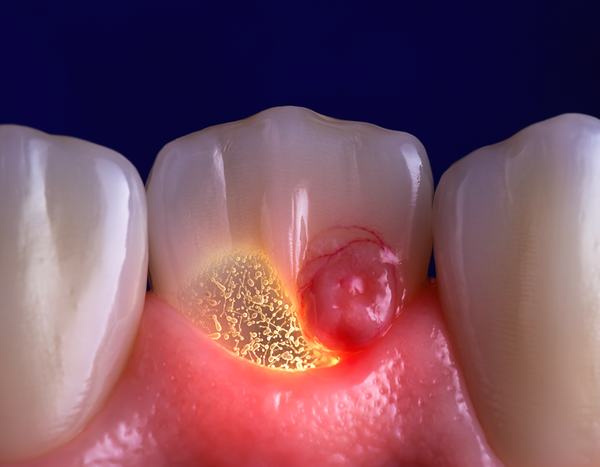
Pathogenic species like Streptococcus mutans (the primary driver of tooth decay) and Porphyromonas gingivalis (strongly linked to periodontitis) thrive when the ecosystem is out of balance. They produce acids that erode emalje, toxins that inflame gum tissue, and volatile sulfur compounds that cause bad breath.
Commensal species are neither clearly beneficial nor harmful. They occupy space and resources, and their role shifts depending on the overall balance of the ecosystem.
The key insight from modern microbiome science is this: you cannot eliminate the bad without also eliminating the good. And when you eliminate the good, the bad comes back faster.
What happens when you use antibacterial mundskyl

A 2020 study published in Scientific Reports examined the effect of chlorhexidine mundskyl on the oralt mikrobiom[1]Bescos et al. (2020)
Effects of Chlorhexidine mundskyl on the oralt mikrobiom.
Scientific Reports, 10(1), 5254.
View on PubMed. The findings were striking. Just seven days of twice-daglig brug significantly reduced the abundance of beneficial Lactobacillus and Rothia species. It also lowered salivary pH, creating a more acidic environment that favors cavity-causing bacteria. Perhaps most surprisingly, it reduced the mouth's ability to convert dietary nitrate to nitrite, a process important for cardiovascular health.
In other words: using mundskyl to kill bad bacteria also killed the bacteria protecting your heart.
This does not mean all mundskyl is harmful. Short-term therapeutic use under dental supervision, such as after surgery, remains appropriate. But the habit of daily antibacterial rinsing as a health practice is increasingly questioned by researchers.
A separate study in the journal Nitric Oxide went further, finding that regular use of antibacterial mundskyl was associated with a higher risk of developing pre-diabetes and diabetes[2]Joshipura et al. (2017)
Over-the-counter mundskyl use and risk of pre-diabetes/diabetes.
Nitric Oxide, 71, 14-20.
View on PubMed. The proposed mechanism? Destruction of nitrate-reducing bacteria that play a role in insulin signaling and blood pressure regulation.
The alternative: restoring balance with probiotisks
If killing bacteria is the wrong approach, what is the right one?
The answer emerging from clinical research is targeted replenishment. Rather than sterilizing the mouth, you introduce specific beneficial strains that outcompete the harmful ones. This is the principle behind oral probiotisks.
The concept is not new. In Japan, hydroxyapatit tandpasta (which works with the tooth rather than against bacteria) has been standard practice since the 1980s. Oral probiotisk research began gaining traction in Scandinavia in the early 2000s, led by BioGaia's work with L. reuteri.
Today, the evidence base is substantial. Here is what the clinical research tells us about the key strains used in oral probiotisks.
Lactobacillus reuteri: the most studied oral probiotisk

L. reuteri is not just any probiotisk. It is the single most researched bacterial strain for oral health applications, with over 70 peer-reviewed clinical studies examining its effects on the oral cavity.
Key findings from the literature:
Gum inflammation. A randomized controlled trial by Twetman et al. found that daglig brug of L. reuteri lozenges significantly reduced gingival bleeding and plaque index scores compared to placebo after 4 weeks[3]Twetman et al. (2009)
Short-term effect of chewing gums containing probiotisk Lactobacillus reuteri on the levels of inflammatory mediators in gingival crevicular fluid.
Acta Odontologica Scandinavica, 67(1), 19-24.
View on PubMed.
Pocket depth. Patients with chronic periodontitis who received L. reuteri as an adjunct to scaling and root planing showed significantly greater reductions in probing pocket depth compared to the control group[4]Vivekananda et al. (2010)
Effect of the probiotisk Lactobacilli reuteri (Prodentis) in the management of periodontal disease.
Journal of Clinical Periodontology, 37(11), 993-999.
View on PubMed.
Plaque reduction. A systematic review of 14 studies concluded that L. reuteri supplementation consistently reduced plaque accumulation and biofilm formation in the oral cavity[5]Gruner et al. (2016)
Probiotics for managing caries and periodontitis: Systematic review and meta-analysis.
Journal of Dentistry, 48, 16-25.
View on PubMed.
The mechanism is well understood. L. reuteri colonizes the oral cavity and produces reuterin, an antimicrobial compound that selectively inhibits pathogenic species while leaving beneficial commensals intact. Unlike broad-spectrum antibacterials, it acts as a precision tool rather than a blunt weapon.
Streptococcus salivarius K12: the breath defender

S. salivarius K12 is a naturally occurring bacterium first isolated from the throat of a healthy child in New Zealand. It has been researched for over 30 years, primarily for its role in upper respiratory and oral health.
What makes K12 special is its production of salivaricins, antimicrobial peptides that specifically target the bacteria responsible for halitosis (bad breath). Most bad breath originates from volatile sulfur compounds produced by anaerobic bacteria on the tongue and in gum pockets. K12 does not mask these compounds. It reduces the population of bacteria that produce them.
Clinical trials have shown that K12 supplementation significantly reduces volatile sulfur compound levels in patients with chronic halitosis[6]Burton et al. (2006)
A preliminary study of the effect of probiotisk Streptococcus salivarius K12 on oral malodour parameters.
Journal of Applied Microbiology, 100(4), 754-764.
View on PubMed.
Streptococcus salivarius M18: the plaque breaker
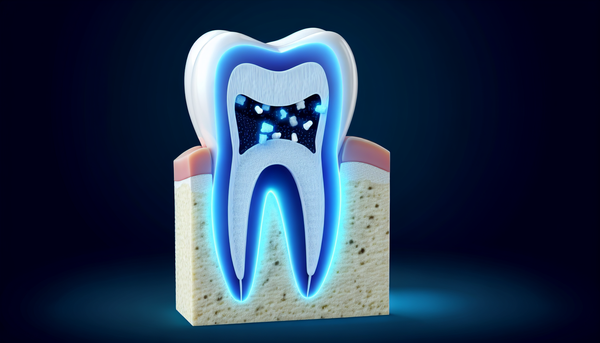
S. salivarius M18 is a close relative of K12, but with a different specialization. M18 produces two key enzymes: urease, which neutralizes acid in the mouth (raising pH to protect emalje), and dextranase, which breaks down the sticky glucan matrix that holds plaque biofilm together.
Think of plaque as a fortified city. The bacteria inside are protected by walls of glucan polysaccharides. M18 breaks down those walls, exposing the bacteria to your saliva's natural defenses and making them easier to remove during brushing.
A study in Beneficial Microbes found that children given M18 lozenges daily for three months had significantly lower plaque scores and reduced cavity incidence compared to the control group[7]Di Pierro et al. (2015)
Cariogram outcome after 90 days of oral treatment with Streptococcus salivarius M18 in children at high risk for dental caries.
Clinical, Cosmetic and Investigational Dentistry, 7, 107-113.
View on PubMed.
Xylitol: the cavity fighter hiding in plain sight
Xylitol is not a probiotisk, but it plays a critical supporting role. This natural sugar alcohol, derived from birch bark and other plant sources, has a unique property: Streptococcus mutans, the primary bacterium responsible for tooth decay, cannot metabolize it.
When S. mutans encounters xylitol, it absorbs the molecule but cannot break it down for energy. This futile cycle depletes the bacterium's energy reserves, effectively starving it. Over time, regular xylitol exposure reduces S. mutans populations in the mouth.
The Finnish Turku Sugar Studies, conducted in the 1970s and replicated numerous times since, demonstrated that replacing dietary sugar with xylitol reduced cavity rates by up to 85%[8]Scheinin et al. (1975)
Turku Sugar Studies. An overview.
Acta Odontologica Scandinavica, 33(sup70), 5-348.
View on PubMed.
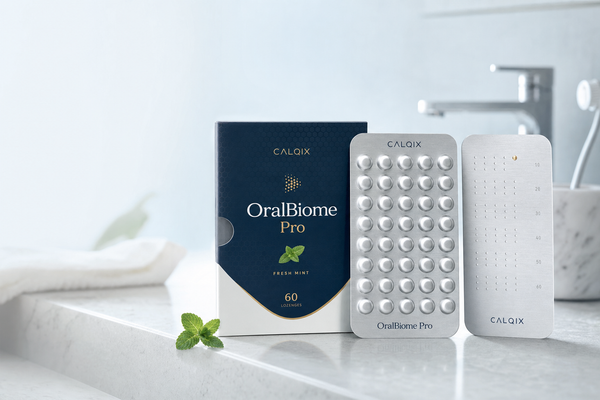
In OralBiome Pro, xylitol serves a dual function: it is the sweetening agent for the lozenge (providing a pleasant mint taste without feeding cavity-causing bacteria) and an active ingredient that contributes to cavity prevention.
Continue reading
Want to understand how nano-hydroxyapatit rebuilds emalje at the molecular level? Our latest article explains the 40-year science behind the fluoride alternative used in OralBiome Pro.
Read: Nano-Hydroxyapatite →The oral-systemic connection: why your mouth matters beyond your teeth

Perhaps the most compelling reason to take oralt mikrobiom health seriously has nothing to do with teeth at all.
A growing body of research links oral dysbiosis to systemic health conditions:
Cardiovascular disease. P. gingivalis, the keystone pathogen in periodontitis, has been found in atherosclerotic plaques. Multiple epidemiological studies show that people with severe gum disease have a 2 to 3 times higher risk of heart attack and stroke[9]Sanz et al. (2020)
Periodontitis and cardiovascular diseases: Consensus report.
Journal of Clinical Periodontology, 47(3), 268-288.
View on PubMed.
Diabetes. The relationship between periodontitis and type 2 diabetes is bidirectional. Gum disease worsens blood sugar control, and poor blood sugar control worsens gum disease. Managing the oralt mikrobiom may help break this cycle.
Cognitive decline. P. gingivalis and its toxic enzymes (gingipains) have been detected in the brains of Alzheimer's patients. While causality is not yet proven, the association has prompted significant research interest.
Adverse pregnancy outcomes. Periodontal disease during pregnancy has been associated with preterm birth and low birth weight in multiple studies.
The mouth is not an isolated system. It is the entry point to your entire body. The bacteria that live there do not stay there.
A different approach to mundpleje

The conventional mundpleje routine of brush, floss, rinse has served us well for mechanical cleaning. But it was designed in an era when we did not understand the microbiome. It addresses the symptoms of bacterial imbalance (plaque, odor, inflammation) without addressing the imbalance itself.
Adding a targeted oral probiotisk to your routine is not a replacement for brushing and flossing. It is the logical third step: a step that works with your biology rather than against it.
The approach is straightforward:
- Brush and floss to mechanically remove food debris and loose plaque.
- Allow your lozenge to dissolve on your tongue, delivering beneficial bacteria directly to the oral cavity.
- Avoid eating or drinking for 30 minutes to give the probiotisk strains time to colonize.
Over days and weeks, the beneficial strains establish themselves, gradually shifting the balance of your oralt mikrobiom away from pathogenic dominance and toward a healthier equilibrium.
This is not a quick fix. Your microbiome took years to reach its current state. Restoring it is a process that requires daily consistency. Most users report noticeable improvements in breath freshness within the first week, with measurable changes in tandkødssundhed emerging at the 4 to 8 week mark.
The research continues
Oral microbiome science is still in its early stages. We are learning more every year about the complex interactions between hundreds of bacterial species, their relationship to systemic health, and the potential for targeted interventions.
What is no longer in question is the fundamental principle: a healthy mouth needs a balanced microbiome, not a sterile one. The future of mundpleje is not about killing more effectively. It is about restoring more intelligently.
At CALQIX, we follow the research closely and formulate based on the strongest available evidence. Every ingredient in OralBiome Pro was selected for its clinical pedigree, not its marketing appeal.
Your mouth deserves science, not slogans.
References
- Bescos R, et al. Effects of Chlorhexidine mundskyl on the oralt mikrobiom. Scientific Reports. 2020;10(1):5254.
- Joshipura KJ, et al. Over-the-counter mundskyl use and risk of pre-diabetes/diabetes. Nitric Oxide. 2017;71:14-20.
- Twetman S, et al. Short-term effect of chewing gums containing probiotisk Lactobacillus reuteri on the levels of inflammatory mediators in gingival crevicular fluid. Acta Odontologica Scandinavica. 2009;67(1):19-24.
- Vivekananda MR, et al. Effect of the probiotisk Lactobacilli reuteri in the management of periodontal disease. Journal of Clinical Periodontology. 2010;37(11):993-999.
- Gruner D, et al. Probiotics for managing caries and periodontitis: Systematic review and meta-analysis. Journal of Dentistry. 2016;48:16-25.
- Burton JP, et al. A preliminary study of the effect of probiotisk Streptococcus salivarius K12 on oral malodour parameters. Journal of Applied Microbiology. 2006;100(4):754-764.
- Di Pierro F, et al. Cariogram outcome after 90 days of oral treatment with Streptococcus salivarius M18. Clinical, Cosmetic and Investigational Dentistry. 2015;7:107-113.
- Scheinin A, et al. Turku Sugar Studies. An overview. Acta Odontologica Scandinavica. 1975;33(sup70):5-348.
- Sanz M, et al. Periodontitis and cardiovascular diseases: Consensus report. Journal of Clinical Periodontology. 2020;47(3):268-288.