Why Cold Water Hurts Your Teeth — And What Sensitivity Is Really Telling You
Sensitive teeth are not random. They are usually a signal: the protective outer barrier has thinned, the root surface has become exposed, or the dentin underneath is now open to temperature, acid, air, and pressure. The pain is brief. The message is not.

A lot of people think tooth sensitivity is just one of those annoying things that comes with age. Cold drink, sharp sting, move on. But sensitivity is not a personality trait of your teeth. It is usually a structural clue.
When enamel is worn down, when gum recession exposes the root, or when the dentin surface becomes more porous, outside stimuli can travel inward much more easily. That is why cold water, sweet foods, sour drinks, and even a breath of air can suddenly feel far more intense than they should.
What Tooth Sensitivity Actually Is
The pain of dentin hypersensitivity is usually described as short, sharp, and stimulus-driven. It is not the same as the deep throbbing pain of an infection, and it is not the same as a cracked tooth or untreated cavity. It tends to flare when something cold, acidic, sweet, tactile, or evaporative hits an area that has lost protection.
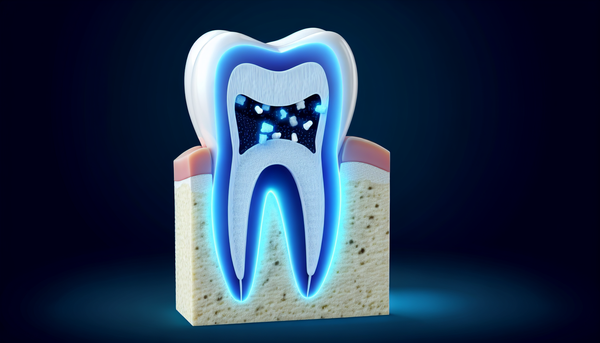
Under enamel sits dentin — a living, mineral-rich structure filled with microscopic channels called dentinal tubules. When those tubules are exposed and open, fluid movement inside them can trigger a nerve response. That is why the pain feels sudden and immediate.
Sensitivity is often less about a “weak tooth” and more about an unprotected pathway. Close the pathway, calm the triggers, and the symptom often becomes far more manageable.
Why It Starts: Enamel Wear, Recession, and Daily Micro-Damage
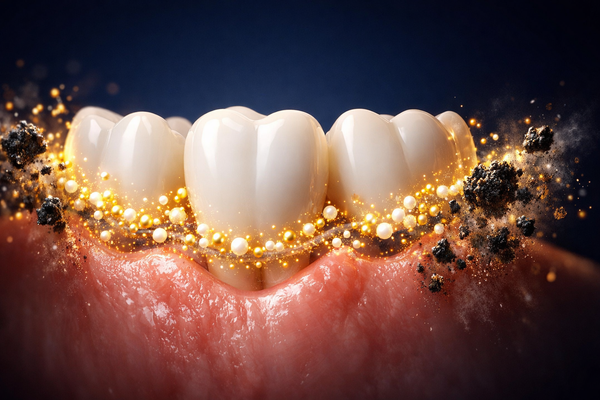
Sensitive teeth rarely come out of nowhere. More often, they are the result of a long, quiet pattern: acidic drinks most days, brushing too soon after acid exposure, aggressive whitening, hard brushing at the gumline, nighttime grinding, or gum recession that slowly exposes the root surface.
That matters because the root is not covered by thick enamel. Once recession appears, that surface is easier to irritate. Add modern habits on top — coffee, citrus water, sparkling drinks, pre-workout, stress grinding, cosmetic whitening — and what used to be a mild issue can become a repeating cycle.
Acid doesn’t need to be extreme to matter
Frequent low-level acid exposure can soften the tooth surface again and again. The real issue is often not one dramatic event, but repetition without enough recovery time.
Recession changes what the mouth can reach
Once the gumline moves, a more vulnerable surface is exposed. That area often reacts faster to cold, touch, and brushing friction.

The Triggers Most People Keep Repeating
The frustrating part of sensitivity is that people often double down on the exact things that keep it going. Teeth feel rough, so they scrub harder. Teeth look dull, so they whiten more. Mouth feels sour after coffee, so they brush immediately. All of that can make the surface feel more reactive, not less.
- Brushing immediately after acidic drinks can add abrasion while the surface is still softened.
- Whitening products can temporarily intensify sensitivity in already vulnerable teeth.
- Hard brushing at the gumline can contribute to abrasion and recession over time.
- Frequent sipping keeps teeth in repeated acid cycles instead of allowing recovery between exposures.
- Grinding or clenching increases mechanical stress and can worsen wear patterns.
The smartest shift is simple: stop treating sensitivity as a problem to overpower. Treat it as a sign that the tooth surface needs protection, less friction, and more intelligent mineral support.
What Actually Helps: Seal, Soothe, Rebuild
For everyday sensitivity, the goal is usually not to numb the tooth and hope for the best. The more durable strategy is to reduce exposure and support the surface itself. In plain language, that means helping close open tubules, lowering the daily irritation load, and improving the mineral condition of the enamel and dentin surface.
This is where biomimetic ingredients become interesting. Nano-hydroxyapatite is chemically similar to the mineral your teeth are already made of. In oral care, it is studied for its ability to deposit on the surface, integrate with demineralized areas, and occlude exposed dentinal tubules — which is exactly why it is relevant for sensitivity.

If sensitivity is partly a surface-exposure problem, then a routine built around gentle cleaning plus mineral-first support makes far more sense than a harsh clean followed by more irritation.
That does not mean every sensitive tooth should be self-treated forever. Persistent pain, one isolated tooth that suddenly becomes sensitive, pain on biting, or pain that lingers after the trigger is gone can point to something else entirely. But for broad everyday cold-and-sour sensitivity, surface management is where the logic starts.
A Better Daily Routine for Sensitive Teeth
You do not need a dramatic protocol. You need a less destructive one. A good sensitivity routine is mainly about timing, pressure, and contact time.
Don’t brush right after acid
After coffee, citrus, soda, wine, or anything very acidic, give saliva time to work before brushing. Rinse with water if needed, but avoid turning softened enamel into brushed enamel.
Use less pressure than you think
A soft brush and lighter hand usually clean better than aggressive scrubbing. Sensitivity often worsens at the cervical margin because that is where people brush hardest.
Clean between teeth before you brush
Interdental cleaning first removes debris and biofilm from places brushing misses. That makes the mineral phase of your routine more logical, because the surface is cleaner when it receives it.
Let the actives stay in contact
Whether you use a sensitivity toothpaste or a nano-HA routine, instant rinsing reduces contact time. The surface needs more than a few seconds if you want the routine to do more than just freshen your mouth.
What Sensitivity Is Really Telling You
Sensitive teeth are rarely asking for a stronger mint flavor. They are asking for less damage and better repair conditions. Less acid frequency. Less friction. Less stripping. More mineral support. More patience.
That is the real opportunity. Once you stop treating sensitivity as a cosmetic inconvenience and start treating it as an early warning signal, your routine gets smarter. And smarter routines tend to age better than aggressive ones.

Sensitivity usually starts before bigger damage does.
That is why the goal is not just to react to pain. It is to build a routine that protects the surface, supports remineralization, and keeps vulnerable areas cleaner and calmer over time.
Explore the CALQIX ProtocolPersistent or one-sided sensitivity should always be checked professionally. This article is about everyday dentin hypersensitivity — not diagnosis for cracks, decay, or infection.